Skip to content

$ Cybersecurity

We audit your web application and API, review your code and its dependencies, harden the server it runs on and, if your WordPress site was already compromised, clean it up. Every finding comes explained, with its risk and how to fix it.

Web and API audit, Code and dependencies, Server hardening, WordPress/WooCommerce cleanup
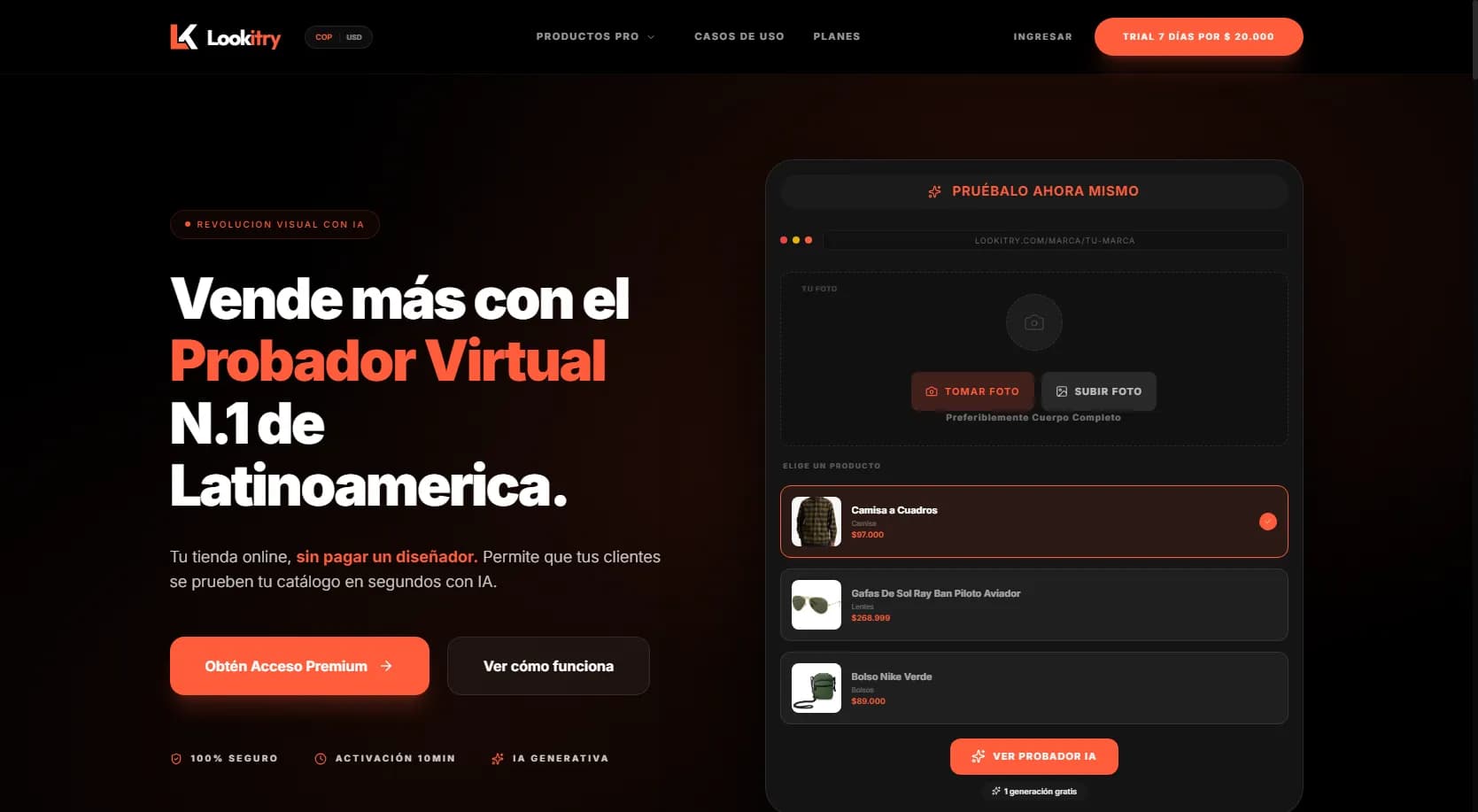
Screenshot of Lookitry
Screenshot of Rendertry
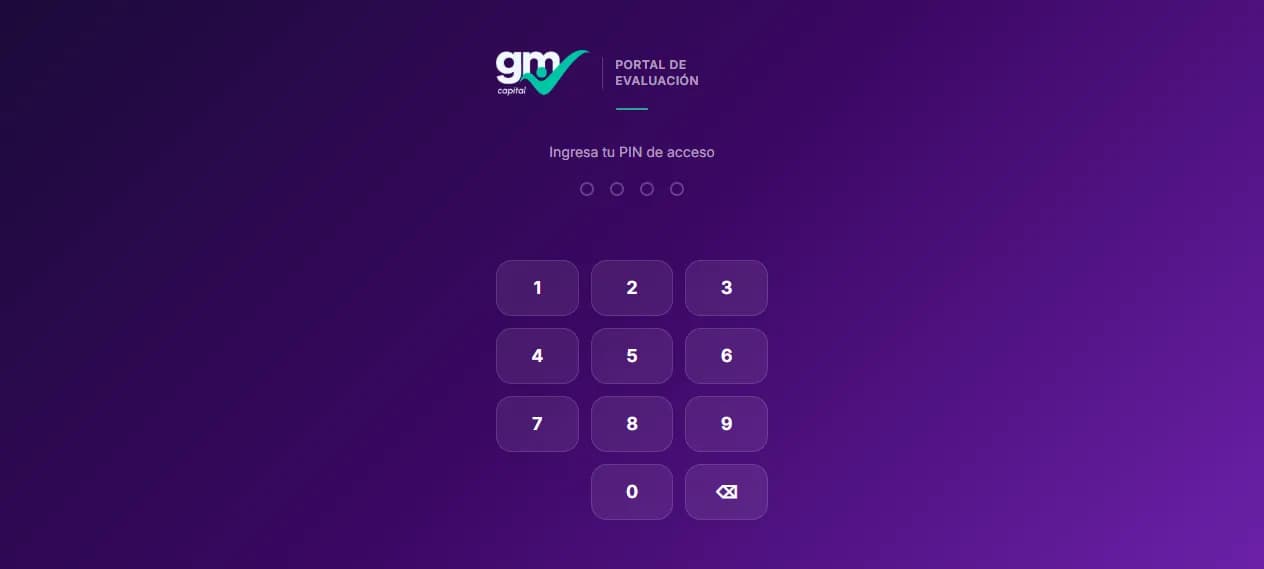
Screenshot of G&M Capital
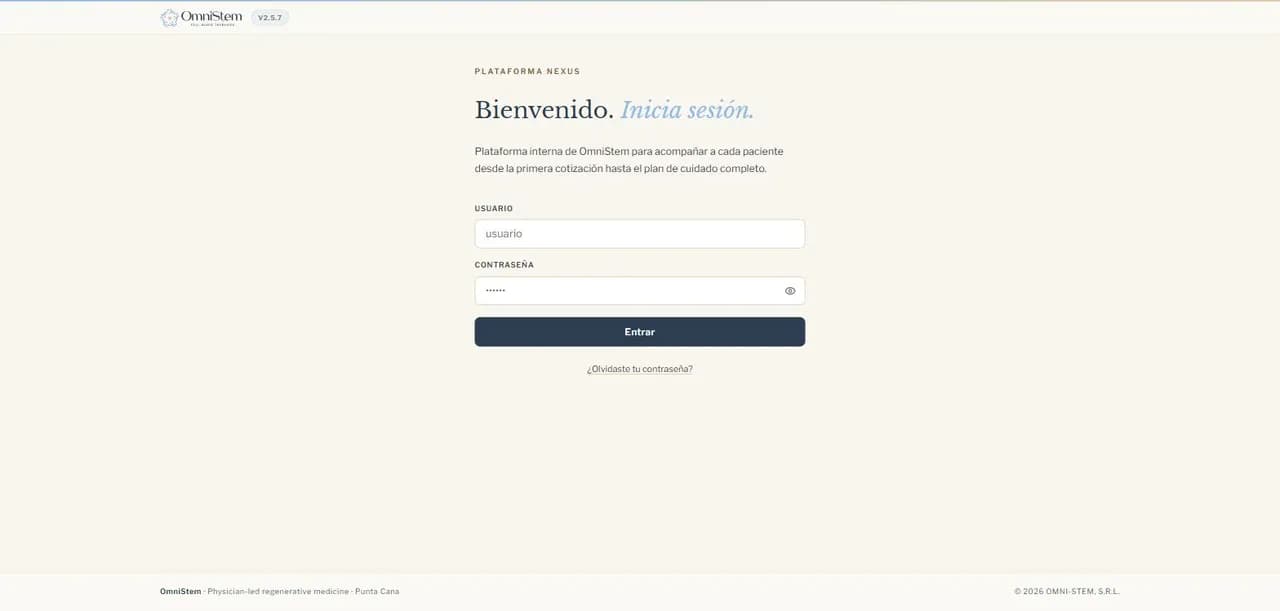
Screenshot of Nexus

  • 01

    The site redirects to strange pages, users nobody created show up or the browser warns that the page is not safe.

  • 02

    Nobody has reviewed the application since it went live, and you do not know what data a form or an API could expose.

  • 03

    The project depends on libraries and plugins nobody updates, and you do not know which ones have known flaws.

  • 04

    The server accepts password logins, has open ports nobody remembers and the backups live on the same machine.

  1. Screenshot of Lookitry

    Lookitry

    Open beta

    AI virtual try-on for clothing stores, now in open beta. Includes a WooCommerce plugin and an API.

    $ Why it fits

    • Web and API audit applied to the SaaS and its WooCommerce plugin.
    • Code, dependencies and secrets reviewed in the repository.
    • Google Cloud infrastructure hardened before going to production.
    View the case: Lookitry
  2. Screenshot of Rendertry

    Rendertry

    AI vehicle customization visualizer. Try wheels, paint and wraps on the real photo of the vehicle.

    $ Why it fits

    • Web and API audit applied to the AI visualizer.
    • Code, dependencies and secrets reviewed in the repository.
    • Server hardened before going to production.
    View the case: Rendertry
  3. Screenshot of G&M Capital

    G&M Capital: lead portal

    Credit evaluation portal with a WhatsApp AI agent integrated with the Kommo CRM.

    $ Why it fits

    • Audit of the leads portal and its WhatsApp and Kommo CRM integration.
    • Access control and applicant data reviewed against the OWASP Top 10.
    • Code, dependencies and secrets reviewed in the repository.
    View the case: G&M Capital: lead portal

Four fronts we cover separately or together, depending on where your project carries its risk.

  • OWASP

    Web and API audit

    We review your live application against the OWASP Top 10: injection, XSS, broken access control and authentication, sensitive data exposure, security headers and CSP.

    OWASP

    Web and API audit

    The challenge

    An application can work well for its users and still let someone read other people’s data by changing a number in the address, inject code through a form or reach a dashboard without the right session. Those flaws do not show up in normal use: they appear when someone looks for them.

    How we do it

    • Surface map: An inventory of the pages, forms, API endpoints and user roles in scope.
    • Injection and XSS: Tests on every data input to detect SQL or command injection and scripts that run in other users’ browsers.
    • Access control and authentication: We check that each user only sees and changes their own data, and review sessions, password recovery and attempt limits.
    • Exposed data: We look for API responses that return more than needed, errors that reveal internal details and files published by mistake.
    • Headers and CSP: We review HTTPS, HSTS, cookies and Content Security Policy, and propose a configuration that keeps the site working.

    What you get

    A report with every finding ordered by risk, the evidence to reproduce it and the recommended fix, and a new test of each point once it is fixed.

    Request an audit
  • supply chain

    Code and dependencies

    Static review of the repository: exposed secrets and keys, libraries with known CVEs, npm supply-chain risk and technical debt that opens doors.

    supply chain

    Code and dependencies

    The challenge

    Many leaks start in the repository, not on the server: a key written into the code, a config file committed by mistake or a library with a published vulnerability nobody updated. Every dependency is third-party code running with the same permissions as yours.

    How we do it

    • Secrets in the history: We search for keys, tokens and passwords in the code and in the Git history, not just the current version.
    • Dependencies with CVEs: We match the project libraries against published vulnerabilities and prioritize the ones actually in use.
    • Supply chain: We review lockfiles, pinned versions, install scripts and poorly maintained packages, and recommend pnpm with frozen installs.
    • Static review: Analysis of the code for dangerous patterns: hand-built queries, missing validation and excess permissions.
    • Debt that creates risk: We flag unsupported framework versions and shortcuts that work today but open a door tomorrow.

    What you get

    A report with the secrets to rotate, the dependencies to update or replace and the recommended code changes, with every fix reviewable in the repository.

    Request a code review
  • hardening

    Server hardening

    We harden your Linux VPS or cloud: firewall, key-only SSH with no root or password login, brute-force protection, Docker, Nginx, TLS, backups and monitoring.

    hardening

    Server hardening

    The challenge

    A freshly created server ships with defaults meant to make it work, not to make it hold up. Open ports, password SSH access and services running as root are the first things the bots crawling the internet try, all the time.

    How we do it

    • Firewall and ports: Only the ports the service needs stay open; the rest are closed or limited to known addresses.
    • SSH: Key-only access, no root or password login, and automatic blocking of brute-force attempts.
    • Docker and Nginx: Unprivileged containers, pinned images and an Nginx with security headers, request limits and only what is needed exposed.
    • TLS: Auto-renewing certificates, current protocols and ciphers, and all traffic redirected to HTTPS.
    • Backups and monitoring: Backups stored away from the server, a tested restore and alerts when the service goes down or something changes.

    What you get

    A server with documented configuration, access in your name and a checklist to repeat the hardening on every new server.

    Harden a server
  • malware

    WordPress/WooCommerce cleanup

    We scan for and remove backdoors and injected malware, review plugins, themes, users and credentials, recover the site and leave it hardened.

    malware

    WordPress/WooCommerce cleanup

    The challenge

    A compromised WordPress site is not always obvious: it may redirect only visitors coming from a search engine, create hidden administrators or hide a backdoor that reinstalls the malware after every cleanup. On a WooCommerce store, your customers’ data is also at stake.

    How we do it

    • Backup and containment: Before touching anything we save a copy of the current state and cut off the attacker’s access.
    • Scan and cleanup: We compare the core, plugins and themes with their official versions and remove backdoors, injected files and malicious code in the database.
    • Plugins and themes: We remove the compromised, abandoned or unofficially sourced ones, and update the rest.
    • Users and credentials: We delete accounts nobody recognizes and rotate passwords, database credentials and WordPress secret keys.
    • Recovery and hardening: We request a review of the site if it was flagged as dangerous, and harden permissions, login and updates to reduce the risk of it happening again.

    What you get

    A clean site back online, a report of what was found and how the attacker got in when that can be determined, and the option to continue with a monthly maintenance plan.

    Request a cleanup

  1. 01

    Scope

    We agree on what gets reviewed (site, API, repository or server), with which access and when, always with your written authorization.

  2. 02

    Review

    Manual testing and automated tools on what was agreed, never touching production without telling you first.

  3. 03

    Report

    Findings ordered by risk, with evidence and the recommended fix, explained for the people who decide and the people who code.

  4. 04

    Fix and verify

    We apply the fixes or work alongside your team, then test every finding again to confirm it is closed.

  • WordPress
  • WooCommerce
  • PHP
  • Node.js
  • Next.js
  • React
  • Docker
  • GitHub
  • Cloudflare
  • PostgreSQL
  • Google Cloud (GCP)
  • AWS
  • VPS

$ After launch

Once the project is in production, we can stay in charge month after month. Every access remains yours.

  • Updates

    Dependencies, system and security patches applied in a controlled way, tested before release.

  • Backups

    Automatic backups stored off the server, with verified restores.

  • Monitoring

    Alerts for outages and errors so we act before a customer reports them.

  • Monthly report

    A clear summary of what was done, what was found and what is worth improving.

It depends on the scope. An external audit of the site only needs its address; a code review and server hardening need access, granted with limited permissions that you can revoke when we finish.

Tests are agreed beforehand: what gets tested, when and how hard. Anything that could affect operations runs on a staging environment or at a time we agree with you.

Yes. We find and remove the malicious code, review plugins, themes and users, change the credentials and leave the site hardened. If the damage is extensive, we recommend restoring from a clean backup or migrating to code.

A report with every finding, its risk level, the evidence and how to fix it, plus the fixes we agree to apply. Access and documentation stay in your hands.

No review can ensure that, and it is wise to distrust anyone who promises it. What it does is close the flaws it finds and reduce what an attacker can exploit, which is why it is worth repeating after major changes.

What worries you about the security of your site or server?

Tell us what you run in production and what you noticed. We start by agreeing on the scope so you decide with information. We work in Spanish and English.

Other services: Infrastructure and cloud